

ARTICLE | October 21, 2025
This article was originally published by Aprio on October 16, 2025.
Summary: Manufacturing in 2026 is set to experience rapid transformation driven by technological innovation, evolving customer expectations, and global tension. For middle-market manufacturers, these shifts present both challenges and opportunities.
The manufacturing industry faces a pivotal moment as 2026 approaches. The pace of change has never been faster, geopolitical tensions are rising, technological breakthroughs happen every day and shifting consumer expectations are shaping the future.
It’s crucial for middle-market manufacturers to understand key trends impacting the industry with practical solutions, such as collecting better data, leveraging smart sensors, establishing AI governance, and re-evaluating costs. While change won’t happen overnight, for manufacturers to remain competitive and agile in this evolving landscape, the path forward involves proactive adaptation, targeted investments, and strategic planning.
In this article, we explore the most significant trends set to redefine the manufacturing industry in 2026 with actionable insights.
Supply Chain Resilience, Regionalization, and Reshoring
Disruptions from recent years have exposed severe vulnerabilities in global supply chains, prompting manufacturers to prioritize resilience and flexibility. When pricing moves or quality slips, production can stall overnight, which can be disastrous for manufacturers still relying on a single supplier for critical components.
Two strategies gaining momentum in the industry are regionalization to bring production closer to end markets and reshoring production to domestic locations. The end goal of regionalization and reshoring aims to reduce manufacturers’ dependence on distant suppliers, mitigate risks associated with ongoing geopolitical tension, and enable faster response to market changes.
In 2026, manufacturers should prioritize diversifying their supplier networks by mapping critical dependencies and building contingency plans, such as dual-sourcing models.
Actionable next steps:
- Conduct a comprehensive supply chain risk assessment
- Develop regional sourcing strategies to minimize disruptions
- Invest in digital capabilities to enhance visibility and real-time tracking
- Establish flexible inventory and logistics arrangements
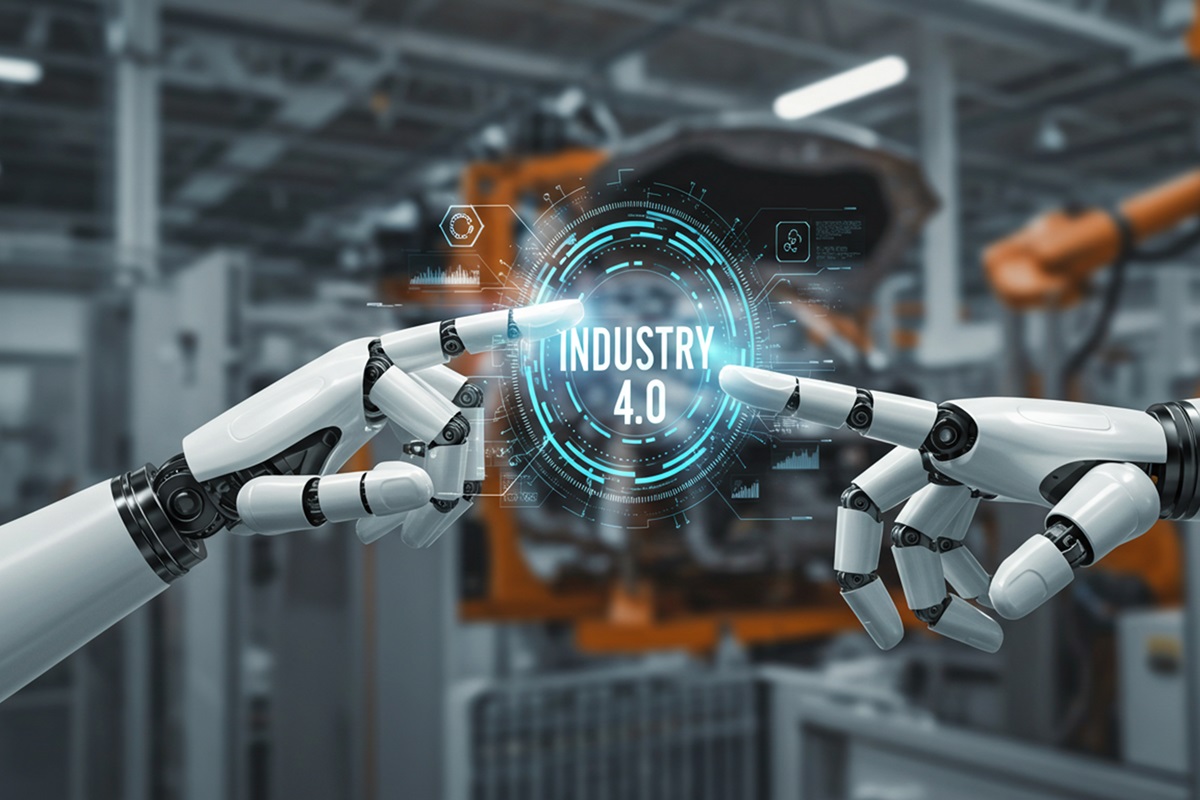
Digital Transformation and Industry 4.0: The Future of Smart Manufacturing
Industry 4.0 and digital transformation have been viewed as buzzwords; however, it’s no longer a hypothetical option for manufacturers. Smart factories, IoT-enabled equipment, advanced automation, and connectivity are revolutionizing manufacturing processes. These capabilities are empowering predictive maintenance, real-time data, and rapid decision-making.
While some worry that adopting advanced technologies could lead to layoffs, the goal is not to replace humans. The key is finding a balance between digital transformation, coupled with integration and workforce training. In fact, the collaboration between humans and machines is at the heart of Industry 4.0. By leveraging smart factories, including affordable digital transformation solutions and sensors, manufacturers can enhance human capabilities, which can lead to increased efficiency, reduced downtime, and improved product quality. Although some of these technologies can be challenging to afford, middle-market manufacturers have access to a variety of cost-effective solutions.
Actionable next steps:
- Audit current digital capabilities and identify gaps
- Develop a roadmap for phased digital adoption
- Prioritize investments in automation and IoT for high-impact areas
AI, Advanced Data Analytics, and ERP Governance
AI is not going anywhere. In fact, it will continue to lead the charge in modernizing the manufacturing industry by unlocking new levels of insight and performance. Predictive maintenance powered by AI can reduce equipment failures, data-driven process optimization can enhance throughput and quality, and cloud-based ERP systems can facilitate real-time collaboration and scalability.
However, a crucial step that is often missed is establishing a governance policy that identifies what data can be fed into the tools, how outputs are validated, and which systems can be AI-powered. Without these guardrails, well-meaning employees can enter sensitive formulas, contracts, or customer data into unsecured tools.
Actionable next steps:
- Establish data governance policies to maintain compliance
- Train employees to interpret and act on data insights effectively
- Invest in scalable AI and analytics platforms tailored to your needs
- Integrate cloud-based ERP solutions for data management
Workforce Realities: Upskilling Employees
Retaining and attracting top talent in the manufacturing industries remains a challenge, intensified by the need for fluency in digital skillsets. The practical response to labor issues plaguing the industry is upskilling employees. The aim is to augment, not replace, your current workforce to remain competitive in a rapidly evolving market. The manufacturing workforce in 2026 will require a culture that is a blend of technical proficiency, adaptability, and continuous learning.
Actionable next steps:
- Implement targeted upskilling and reskilling programs
- Establish partnerships with local educational institutions
- Review compensation, benefits, and work-life balance programs
Cost Pressures, Inflation, and Input Volatility
Manufacturers continue to grapple with cost pressures and input volatility, driven by inflation, fluctuating raw material prices, and shifting regulatory requirements. Strategic sourcing and procurement are essential for managing costs and protecting margins. However, to effectively optimize procurement processes and reduce costs, manufacturers need to leverage data and build strong relationships with their suppliers.
Despite a recent interest rate cut by the Federal Reserve, inflation continues to be a significant concern for manufacturers, impacting both production costs and consumer prices. To mitigate the effects of inflation, companies should explore strategies, such as price adjustments, cost-cutting measures, and efficiency improvements.
Actionable next steps:
- Conduct regular cost structure reviews and identify opportunities for savings
- Utilize digital tools for pricing and spend analysis
- Engage suppliers in collaborative cost reduction initiatives
- Monitor regulatory developments
M&A and Capital Markets Poised for Increased Activity
While M&A and capital market activity in the manufacturing sector have been quieter recently, activity is expected to be robust in 2026. Strategic deals can provide access to new technologies, markets, and talent, helping manufacturers scale and diversify. Whether you plan to buy or sell, your current operational posture will influence your company’s valuation. Continuing to be visibility proactive by modernizing data flows, securing your supply chain, and tightening costs, can signal readiness to investors.
Actionable next steps:
- Develop an M&A readiness framework, including financial and operational assessments
- Identify strategic partners and targets aligned with growth objectives
- Build integration teams to realize post-deal synergies
- Monitor capital market trends and adapt financing strategies as needed

Customization, Flexibility, and Faster Time to Market
Customer expectations, shaped by two-day or even same-day delivery, have saturated the market. Despite unrealistic turnaround times, manufacturers must embrace flexible production models, modular designs, and agile supply chains to meet these expectations. Responding quickly to market shifts and customer feedback can be the differentiator manufacturers need to remain competitive.
Actionable next steps:
- Adopt flexible manufacturing technologies for small-batch and custom orders
- Shorten time-to-market with integrated product development platforms
- Leverage customer data to inform product design and innovation
- Enhance collaboration across sales, engineering, and production teams
Cybersecurity and Risk Management
As manufacturers and supply chains become more connected, exposure grows, from ransomware and data breaches to IP theft and operational disruptions, all with severe consequences. Even if your current cyber risk feels modest, the combination of more data, integrations, and third-party access is a trigger that your cybersecurity and risk management processes need to be enhanced.
In 2026, establishing robust risk management and cybersecurity programs are non-negotiable. A comprehensive risk management program should include a clearly outlined governance plan, employee training, and incident response planning. Cybersecurity best practices should include regular vulnerability assessments, multi-factor authentication, data encryption, and supply chain risk analysis,
Actionable next steps:
- Conduct routine cybersecurity audits and update protocols regularly
- Train employees on cyber hygiene and incident response
- Collaborate with supply chain partners to address shared risks
Final Thoughts: A Structured Approach to 2026
Manufacturing in 2026 will be defined by disruption and innovation. The collaboration of supply chain resilience, advanced technologies, workforce transformation, and evolving customer demands creates both challenges and opportunities. Manufacturers who proactively adapt, invest wisely, and build resilient organizations will be positioned for sustainable growth.
Please connect with your advisor if you have any questions about this article.
Questions or Want to Talk?
Call us directly at 972.221.2500 (Flower Mound) or 940.591.9300 (Denton), or complete the form below and we’ll contact you to discuss your specific situation.This article was written by Aprio and originally appeared on 2025-10-16. Reprinted with permission from Aprio LLP.
© 2025 Aprio LLP. All rights reserved. https://www.aprio.com/2026-manufacturing-playbook-adapting-to-disruption-and-innovation-ins-article-md/
"Aprio" is the brand name under which Aprio, LLP, and Aprio Advisory Group, LLC (and its subsidiaries), provide professional services. LLP and Advisory (and its subsidiaries) practice as an alternative practice structure in accordance with the AICPA Code of Professional Conduct and applicable law, regulations, and professional standards. LLP is a licensed independent CPA firm that provides attest services, and Advisory and its subsidiaries provide tax and business consulting services. Advisory and its subsidiaries are not licensed CPA firms.
This publication does not, and is not intended to, provide audit, tax, accounting, financial, investment, or legal advice. Readers should consult a qualified professional advisor before taking any action based on the information herein.